
Practice Area
Fresno Uber & Lyft Accident Attorney
Strategic representation for Uber, Lyft, and rideshare accident victims across Fresno and the Central Valley.
Rideshare accidents create a different kind of injury claim from the moment the crash occurs. There may be multiple insurance policies involved, questions about whether the driver was actively using the app, and uncertainty over which company is responsible for coverage. What appears to be a routine collision often becomes a layered insurance dispute within days.
A Fresno Uber accident attorney handles these cases by focusing not just on how the crash happened, but on what the rideshare driver was doing at the exact time of the collision. Whether the Uber or Lyft driver was waiting for a ride request, driving to pick up a passenger, or actively transporting someone can dramatically affect the insurance coverage available.
In Fresno and throughout the Central Valley, Uber and Lyft vehicles operate constantly around shopping centers, entertainment districts, apartment complexes, Fresno Yosemite International Airport, and major traffic thoroughfares like Shaw Avenue and Blackstone Avenue. As rideshare traffic increases, so do collisions involving distracted driving, sudden stops, unsafe pickups, and fatigued drivers working long hours across multiple apps.
Insco Injury Law represents drivers, passengers, pedestrians, and cyclists injured in Uber and Lyft accidents. These cases require immediate insurance analysis, preservation of app-status evidence, and a structured approach to proving liability and damages.
Even when the rideshare company initially denies responsibility or coverage feels unclear, it is often worth investigating further before accepting that answer.
Why Uber and Lyft Accident Cases Are Different
Rideshare accident claims differ from traditional cases handled by a Fresno car accident lawyer because liability and insurance coverage depend heavily on the driver’s app activity at the time of the crash.
In a standard accident case, the primary question is typically:
- Who caused the crash?
In a rideshare case, additional questions immediately arise:
- Was the driver logged into the app?
- Was a passenger in the vehicle?
- Was the driver waiting for a ride request?
- Which insurance policy applies?
- Does corporate rideshare coverage activate?
These cases are often less about whether insurance exists and more about which layer of insurance applies.
Understanding Uber and Lyft Insurance Periods
Uber and Lyft insurance coverage generally changes depending on the driver’s status within the app.
Driver Offline
If the driver is not using the rideshare app, their personal auto insurance generally applies.
App On — Waiting for a Ride Request
Once the driver logs into the app and becomes available for rides, limited rideshare coverage may apply. This is one of the most disputed periods in rideshare litigation because multiple insurers may attempt to shift responsibility.
Ride Accepted or Passenger in Vehicle
Once a ride request is accepted or a passenger is inside the vehicle, significantly larger commercial coverage policies may apply. Determining exactly when these coverage transitions occurred is often central to the case.
Common Causes of Uber and Lyft Accidents in Fresno
Rideshare drivers face pressures and distractions unique to app-based transportation. Common causes of Fresno rideshare accidents include:
- Distracted driving from GPS and app interaction
- Unsafe pickups and drop-offs
- Sudden stopping or lane changes
- Driver fatigue from extended app usage
- Speeding to complete rides quickly
- Failure to monitor surroundings while accepting rides
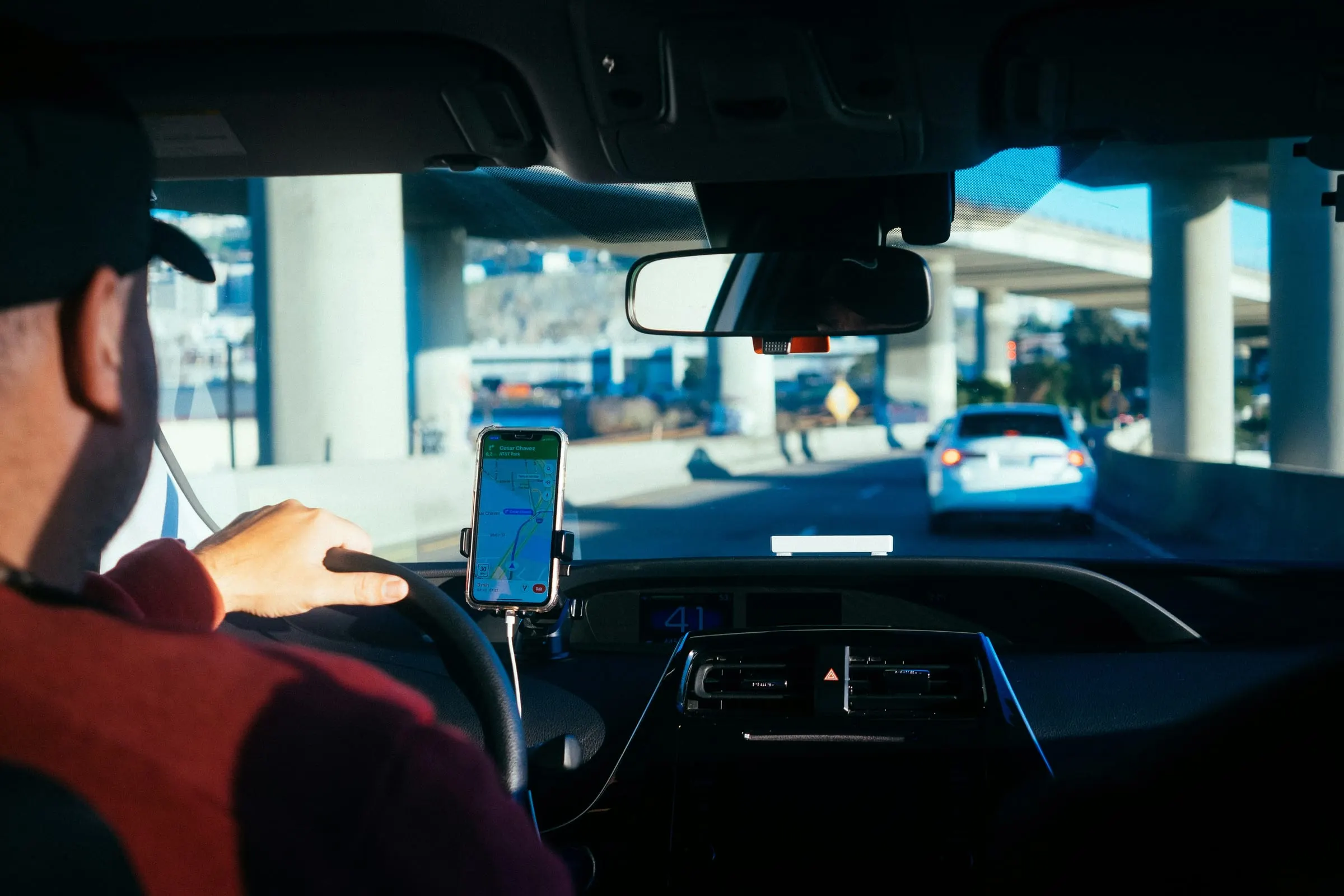
Unlike traditional taxi systems, rideshare drivers often rely heavily on phones, navigation systems, and ride alerts while actively driving.
Types of Uber and Lyft Accident Cases
Rideshare cases can involve several different injured parties.
Injured Rideshare Passengers
Passengers are rarely at fault and may have claims against:
- The Uber or Lyft driver
- Another negligent driver
- Applicable rideshare insurance coverage
Occupants of Other Vehicles
Drivers and passengers in other cars may pursue claims against the rideshare driver when negligence caused the collision.
Pedestrian and Bicycle Accidents
Uber and Lyft vehicles frequently stop unexpectedly or maneuver in crowded pickup areas, increasing risk for pedestrians and cyclists.
Multi-Vehicle Collisions
Because rideshare drivers often operate in congested traffic environments, chain-reaction collisions are not uncommon.
Injury Severity in Rideshare Accidents
Although many rideshare crashes occur in urban environments, injuries can still be severe. Common injuries include:
- Traumatic brain injuries
- Neck and back injuries
- Fractures
- Soft tissue injuries
- Internal trauma
In more serious cases, the long-term impact may require the type of damages analysis handled by a Fresno catastrophic injury lawyer. Even moderate injuries can become difficult when multiple insurers dispute responsibility.
Insurance Company Complexity in Rideshare Cases
One of the defining features of Uber and Lyft cases is insurance layering. Potential insurers may include:
- The rideshare driver’s personal carrier
- Uber or Lyft commercial policies
- Other involved drivers’ insurers
- Uninsured or underinsured motorist coverage
This creates situations where insurers attempt to argue:
- The rideshare app was not active
- The driver was outside coverage periods
- Another policy should apply first
- The injuries are overstated
The claim often becomes as much about coverage analysis as liability itself.
Employment Status and Corporate Responsibility
Uber and Lyft drivers are generally classified as independent contractors rather than employees. That distinction often becomes part of the defense strategy in rideshare litigation.
However, regardless of employment classification, insurance obligations and liability exposure may still exist under the rideshare company’s policy structure. The issue is rarely as simple as “the driver works for Uber.”
Comparative Fault in Rideshare Cases
Insurance carriers may still argue:
- Another driver caused the collision
- Shared fault exists
- The rideshare driver reacted reasonably
- The injured person contributed to the incident
California’s comparative fault system allows recovery even when fault is disputed or shared. These cases often depend on detailed evidence reconstruction.
Why These Cases Require a Structured Legal Approach
Uber and Lyft claims are not simply standard car accident cases with a rideshare sticker on the vehicle. They require:
- Insurance layer analysis
- App-status investigation
- Electronic evidence preservation
- Liability reconstruction
- Coordination between multiple carriers
Without a structured approach, important coverage opportunities may be overlooked.
Speak With a Fresno Uber or Lyft Accident Attorney
If you were injured in an Uber or Lyft accident in Fresno or the Central Valley, it is important to understand your rights and insurance options early.
Insco Injury Law handles rideshare accident cases on a contingency fee basis:
- No attorney’s fees unless there is a recovery
- Focused, case-specific representation
- Emphasis on meaningful outcomes
If you need an Uber accident attorney in Fresno who is prepared to handle serious injury or complex insurance disputes, contact Insco Injury Law today. Call the office or complete our online intake form — available anytime. We will review your case and respond promptly.
Frequently Asked Questions
- Passengers are rarely at fault and may have access to multiple insurance policies depending on the circumstances of the crash and the driver's app status at the time of impact.
- No. Coverage depends heavily on the driver's app status and the facts of the collision. Different insurance layers activate depending on whether the driver was offline, waiting for a ride request, or actively transporting a passenger.
- These cases are most often resolved through insurance claims rather than direct corporate suits, but liability and corporate involvement depend on the specific facts — including app status, employment classification arguments, and the coverage layer in play.
- You may still have claims involving rideshare insurance and the at-fault driver's coverage. UM/UIM coverage and corporate rideshare policies can stack depending on the circumstances.
- Generally two years from the date of injury under California's personal injury statute of limitations. Rideshare cases benefit from early investigation because app data, dashcam footage, and trip records can become harder to preserve over time.