
Practice Area
Fresno Spinal Cord Injury Lawyer
Representing clients across the Central Valley with severe spinal cord injuries, paralysis, and long-term disability cases.
A spinal cord injury changes how the body functions at a fundamental level. It can affect movement, sensation, and independence — often permanently. These are not injuries that resolve with time. They require long-term planning, ongoing care, and a clear understanding of what life will look like moving forward.
At Insco Injury Law, we represent individuals and families seeking a Fresno spinal cord injury lawyer after serious accidents. These cases are different from standard injury claims. They involve permanent changes to a person’s physical abilities, long-term medical needs, and the need for careful planning around future care and support.
Many spinal cord injuries occur suddenly — often in car accidents, motorcycle accidents, or serious falls. What begins as a traumatic event quickly becomes a long-term reality involving medical treatment, rehabilitation, and adjustments to nearly every part of daily life.
Why spinal cord injuries are considered catastrophic
The spinal cord is responsible for carrying signals between the brain and the rest of the body. When it is damaged, that communication is disrupted — sometimes permanently. Serious spinal cord injuries can result in:
- Loss of movement
- Loss of sensation
- Reduced or complete loss of independence
- Lifelong medical needs
These injuries often affect every part of a person’s life. Daily routines, work, and basic activities can all change significantly. In many cases, individuals require ongoing medical care, rehabilitation, and support for the rest of their lives. See our catastrophic injury page for related work.
Common causes of spinal cord injuries in Fresno
Spinal cord injuries most often occur in high-impact or sudden trauma situations.
Vehicle accidents. Car accidents are one of the leading causes. The force involved in a collision can damage the spine instantly, especially in high-speed or multi-vehicle crashes.
Motorcycle accidents. Motorcycle accidents present an even higher risk due to the lack of protection. Riders are more exposed, and spinal injuries can occur even at moderate speeds.
Falls and unsafe property conditions. Falls are another major cause, particularly when they occur from height or on unsafe surfaces. Property owners may be responsible when hazardous conditions are not addressed.
Understanding spinal cord injuries
A spinal cord injury is not always the same from one person to the next. The location and severity of the injury determine how the body is affected.
Complete vs. incomplete injuries. A complete injury means no function or sensation below the level of injury. An incomplete injury means some movement or sensation remains. Even partial injuries can have significant and lasting consequences.
Levels of the spine.
- Cervical (neck) — often results in quadriplegia, affecting both arms and legs.
- Thoracic (upper and mid-back) — typically affects the lower body.
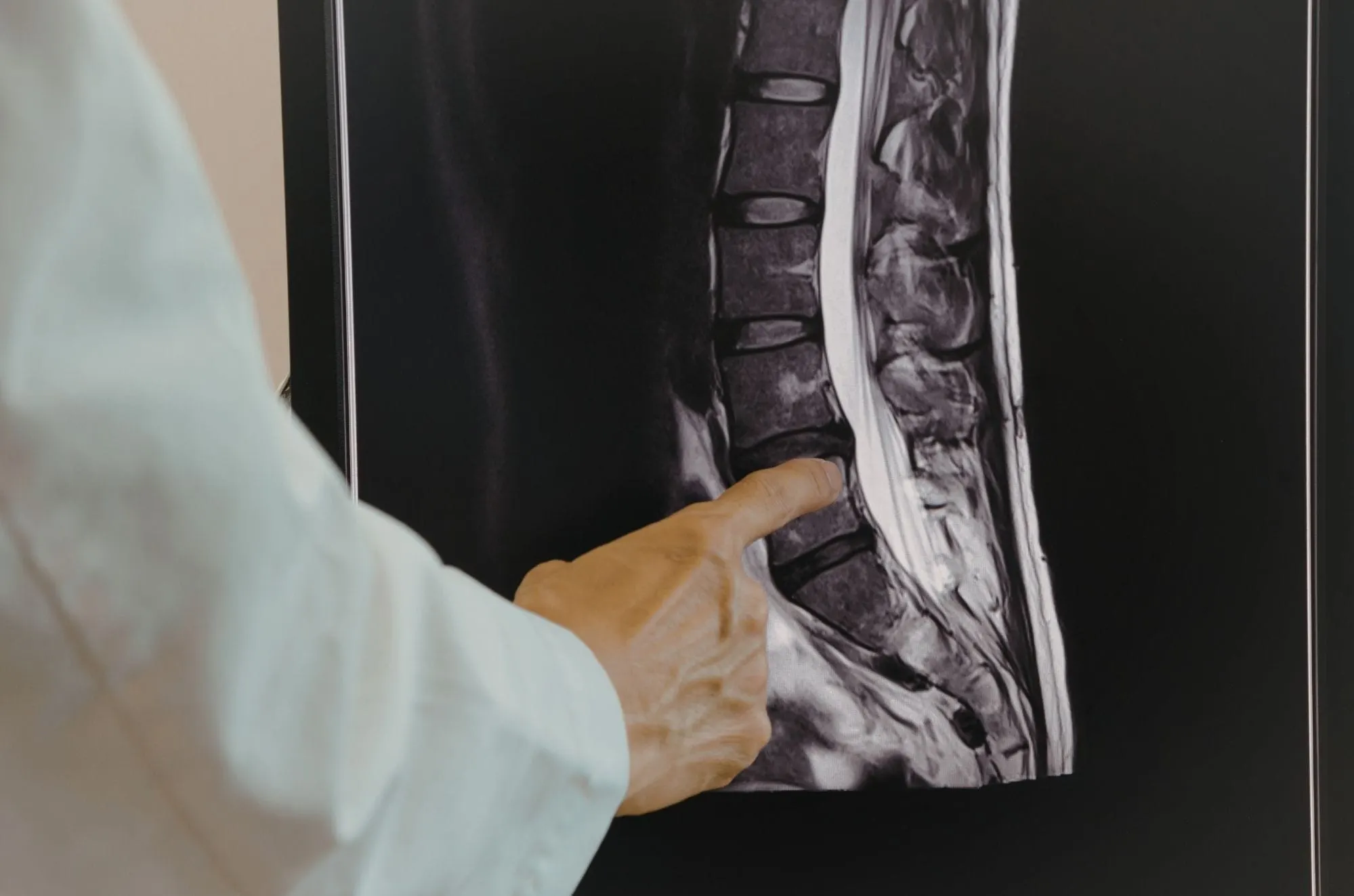
- Lumbar (lower back) — may impact legs, balance, and mobility.
The higher the injury on the spine, the greater the potential impact on the body.
Types of spinal cord injuries
- Paraplegia — loss of function in the lower body.
- Quadriplegia (tetraplegia) — loss of function in both arms and legs.
- Partial spinal cord injuries — some movement or sensation remains.
- Loss of motor function — reduced or complete inability to move parts of the body.
- Loss of sensation — reduced or absent feeling below the injury.
While less severe spinal conditions such as herniated discs or nerve impingement can occur, this page focuses on injuries that involve significant, long-term impact.
Long-term impact of spinal cord injuries
The effects of a spinal cord injury extend far beyond the initial event. Many individuals face permanent loss of mobility, dependence on assistive devices such as wheelchairs, ongoing medical care, changes to housing and daily living environments, emotional and psychological challenges, and loss of earning capacity. These injuries often require adjustments in nearly every area of life.
Life care and future medical needs
Spinal cord injury cases often involve long-term planning for future care: ongoing rehabilitation and therapy, medical equipment and assistive devices, in-home care or support services, modifications to living spaces, and continued medical monitoring. The cost of care over a lifetime can be substantial. Proper evaluation of these needs is essential when pursuing a claim.
Fatal spinal cord injury cases
In some situations, spinal cord injuries lead to life-threatening complications or death. These may occur immediately after the injury or develop over time. In these cases, families may pursue wrongful death claims to seek accountability and financial support.
Liability in spinal cord injury cases
Determining who is responsible requires a careful and detailed analysis. Depending on the situation, liability may involve drivers in vehicle-related accidents, property owners responsible for unsafe conditions, or other parties whose negligence contributed to the injury.
Insurance challenges
Spinal cord injury claims are often high-value cases. As a result, insurance companies frequently challenge them — disputing severity, attempting to minimize long-term care needs, arguing fault, and delaying damages evaluation. Because of the long-term nature of these injuries, it is important to fully understand the impact before resolving a claim.
Steps to take after a spinal cord injury
After a spinal cord injury, early steps can help protect both health and potential claims:
- Seek immediate medical care
- Follow all treatment recommendations
- Document injuries and recovery
- Preserve any available evidence
- Be cautious when communicating with insurance companies
These cases often develop over time, making early documentation important.
Frequently Asked Questions
- Cases involving damage to the spinal cord that affects movement, sensation, or function may qualify.
- Paraplegia affects the lower body, while quadriplegia (tetraplegia) affects both the arms and legs.
- Some incomplete injuries may improve, but many spinal cord injuries result in permanent changes.
- Value depends on the severity of the injury, long-term care needs, lost earning capacity, and forward-looking economic analysis.
- They often do, especially when long-term medical needs must be fully evaluated before settlement.