
Practice Area
Fresno Traumatic Brain Injury Lawyer
Helping individuals across the Central Valley with severe traumatic brain injuries, cognitive impairment, and long-term disability cases.
A traumatic brain injury can disrupt how a person thinks, processes information, and functions day to day — even when there are no outward signs of injury. In many cases, the most significant symptoms do not appear immediately. They develop over time and begin to interfere with memory, attention, behavior, and decision-making.
At Insco Injury Law, we represent individuals and families seeking a Fresno traumatic brain injury lawyer after accidents that result in lasting cognitive and neurological changes. These cases are often misunderstood in the early stages, particularly when initial imaging appears normal but symptoms continue to develop.
Many of these injuries ultimately qualify as catastrophic injuries when they result in lasting impairment. The focus is not only on what happened at the time of the accident, but on how the injury continues to affect a person’s life over time.
Why traumatic brain injuries are often overlooked
One of the defining challenges of a traumatic brain injury is that it does not always present clearly right after an accident. Unlike fractures or other visible injuries, the effects may take time to develop. A person can leave the scene feeling relatively normal, only to notice changes in the days or weeks that follow.
In many cases, standard imaging does not immediately detect subtle brain injuries. As a result, symptoms are often overlooked early on, especially when they include:
- Difficulty concentrating or completing tasks
- Memory lapses or confusion
- Sensitivity to light or noise
- Headaches that persist or worsen
This delayed presentation is one of the reasons these cases are frequently misunderstood. It also plays a significant role in how they must be evaluated and documented over time.
How traumatic brain injuries actually occur
Traumatic brain injuries typically occur when a sudden force causes the brain to move within the skull. This can happen with or without direct impact to the head.
Vehicle-related incidents are one of the most common causes. In car accidents, even moderate collisions can generate enough force to disrupt brain function. Motorcycle accidents present an even greater risk due to limited physical protection and direct exposure to impact.
Falls are another leading cause, particularly when they occur on unsafe or poorly maintained property. These incidents often involve preventable hazards and may give rise to questions about responsibility.
How a brain injury affects thinking, behavior, and daily life
A traumatic brain injury often changes how a person functions mentally rather than physically. These changes can be subtle at first but become more noticeable over time. Individuals may experience:
- Difficulty focusing on routine tasks
- Problems with memory and recall
- Slower processing of information
- Changes in mood, patience, or personality
- Persistent headaches
These symptoms can interfere with work, communication, and relationships. In many cases, the long-term impact is defined not by the initial injury, but by how these cognitive changes affect daily life.
Because these issues develop gradually, they are sometimes overlooked or questioned. Consistent medical follow-up and documentation are critical in establishing how the injury has progressed over time.
Types of traumatic brain injuries
Traumatic brain injuries are generally divided into two categories: open head injuries and closed head injuries.
Open head injuries (penetrating injuries). Occur when an object breaks through the skull and directly damages brain tissue. These injuries are typically severe.
Closed head injuries. Occur when the brain is shaken or moves within the skull without penetration. More common, often resulting from car accidents, motorcycle accidents, and falls. Even without visible injury, they can cause significant internal damage.
Specific types include:
- Concussion — a disruption of normal brain function, often considered mild but capable of causing lasting symptoms.
- Coup-contrecoup injury — the brain strikes both sides of the skull, leading to damage in multiple areas.
- Diffuse axonal injury (DAI) — caused by rapid movement or rotation of the brain, resulting in tearing of nerve fibers.
- Intracranial hematoma — bleeding within the skull (epidural, subdural, intracerebral) that creates pressure on the brain.
It is common to suffer multiple types of brain injuries at the same time, particularly in more serious accidents.
How traumatic brain injuries are diagnosed and documented
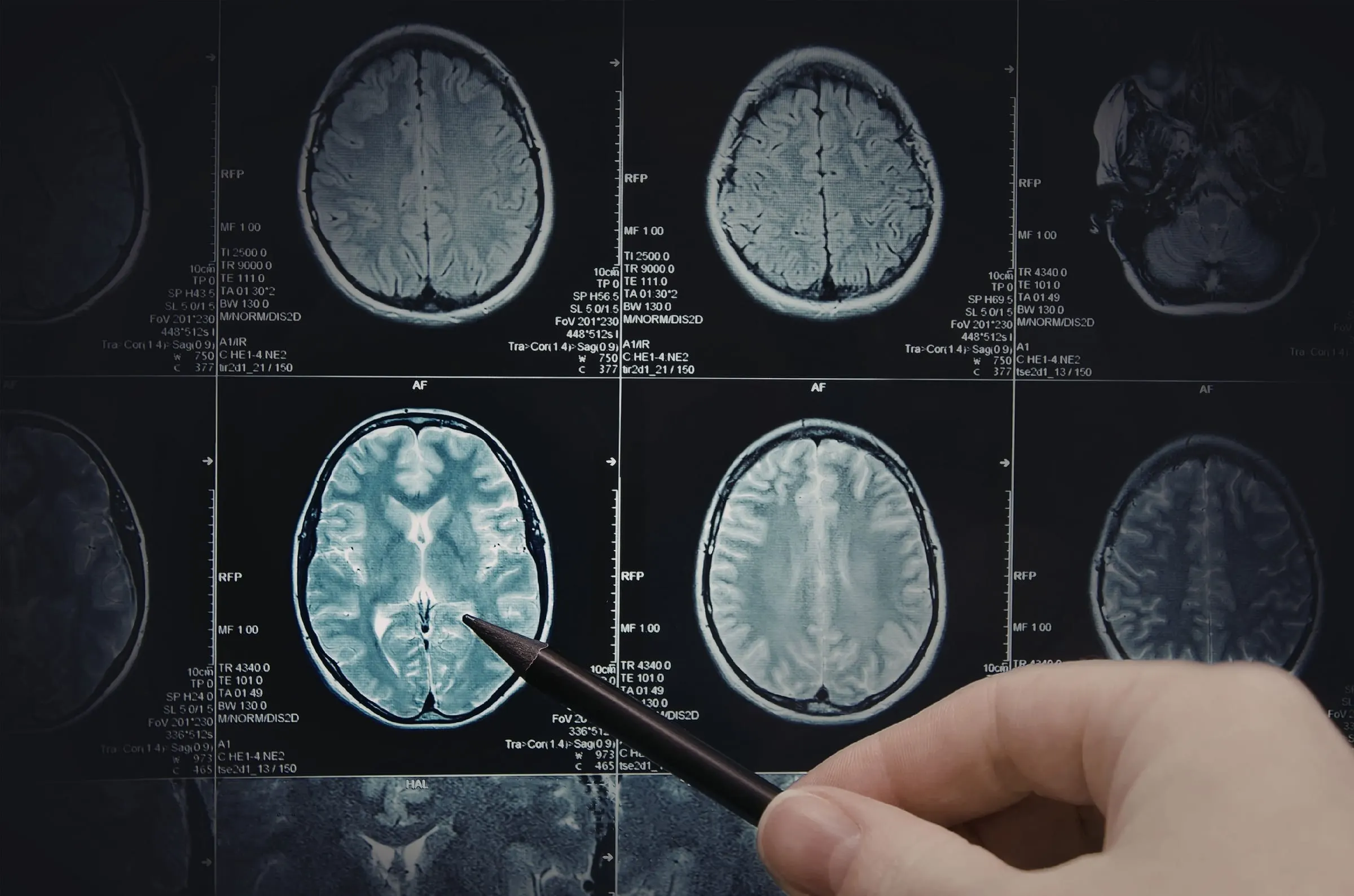
Diagnosing a TBI typically involves more than a single test. While imaging such as CT scans or MRIs can detect certain types of damage, they do not always capture the full extent of the injury. A complete evaluation often includes neurological examinations, cognitive testing, neuropsychological assessments, and ongoing symptom tracking.
In many cases, the most important evidence comes from how the injury affects daily functioning over time.
Challenges in proving a traumatic brain injury
TBI cases are often more difficult to prove than other types of injury claims. The primary reason is the lack of visible evidence. Unlike physical injuries that can be clearly seen or measured, brain injuries often rely on reported symptoms and functional changes. This creates opportunities for insurance companies to dispute the seriousness of the injury.
Common challenges include normal imaging results, disputes over symptom severity, claims that symptoms are unrelated, and difficulty quantifying cognitive impact. These cases require careful documentation and a clear explanation of how the injury has affected the individual’s life.
Steps to take after a head injury
After a head injury, early action can make a meaningful difference in both recovery and documentation. Seeking medical evaluation as soon as possible helps establish a baseline, even if symptoms appear mild at first.
Following treatment recommendations and monitoring symptoms over time is equally important. Keeping track of changes in memory, focus, or behavior can help create a clearer picture of how the injury is developing. It is also important to be cautious when communicating with insurance companies before the full extent of the injury is understood.
Frequently Asked Questions
- Any injury that disrupts normal brain function and affects daily life may qualify.
- Yes. Even mild traumatic brain injuries can lead to lasting symptoms.
- Diagnosis often involves medical evaluation, imaging, cognitive testing, neuropsychological assessment, and monitoring symptoms over time. Standard imaging does not always detect subtle brain injuries early on.
- Compensation may include medical care, lost income, and long-term support needs.
- They often do, because the full extent of the injury may take time to understand. Symptoms can develop over weeks or months after the incident.
- Responsibility depends on how the injury occurred and who was involved — drivers, property owners, and other parties whose negligence contributed.